Why Milford Sound stops people mid-sentence
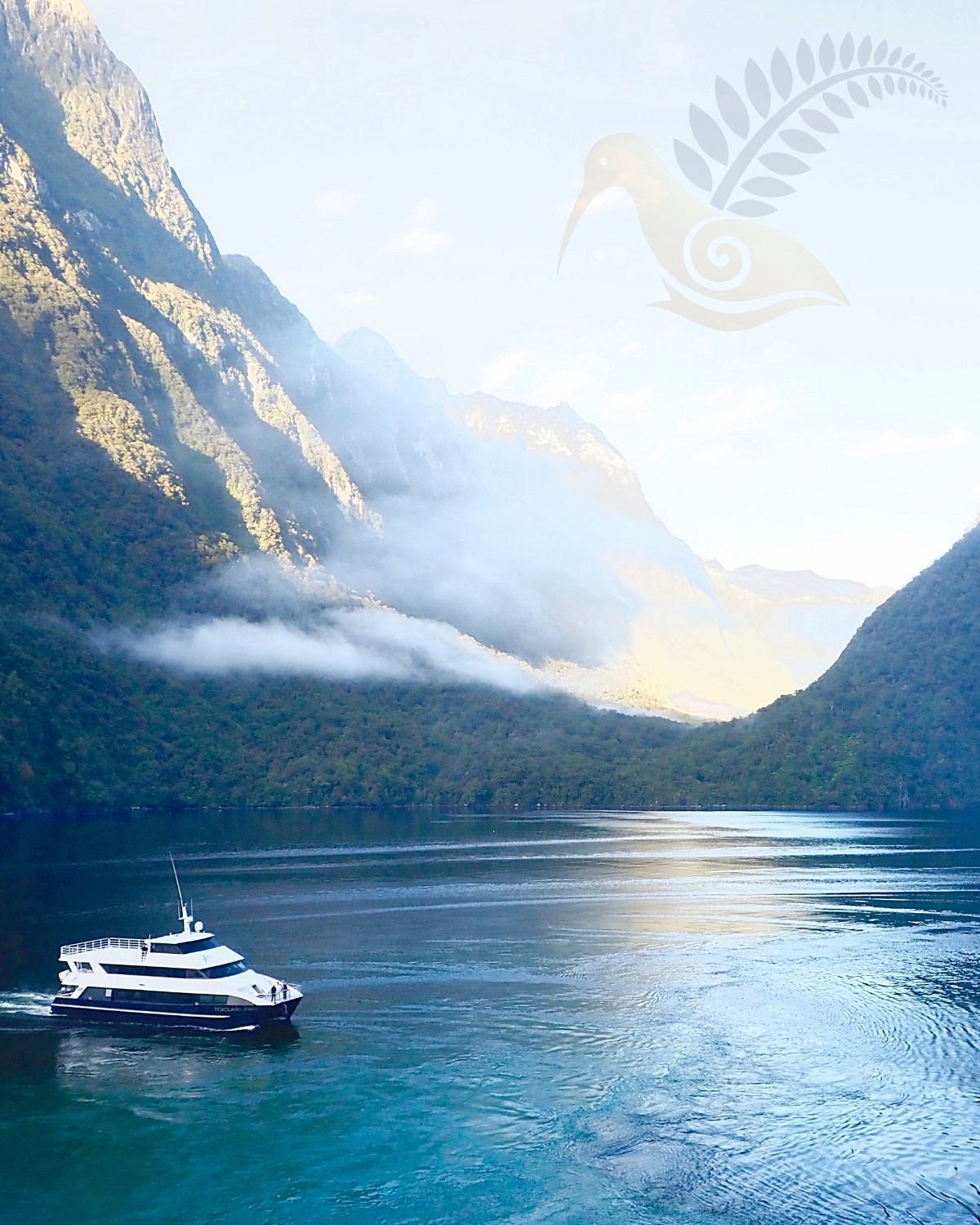
There are places on earth that photographs cannot prepare you for. Milford Sound is one of them. The scale is the thing — Mitre Peak rises 1,692 metres directly from the water's surface. Stirling Falls drops 151 metres into the fiord beside you. The walls of the sound close in from both sides, and the water is so dark and so still in calm conditions that the reflections are indistinguishable from the mountains above them.
Rudyard Kipling called it the eighth wonder of the world. The description has been repeated so many times it has become almost meaningless — until you are there, and it is obvious that he was simply correct.
"The problem with most Milford Sound tours is that they deliver the place correctly but the experience poorly. The fiord is extraordinary regardless. The difference between a shared bus tour and a private day is the difference between seeing it and experiencing it."
Getting there: your options
Private vehicle from Queenstown (recommended)
The 290km drive from Queenstown to Milford Sound via Te Anau is itself one of the great scenic drives of New Zealand. The road passes through beech forest, alongside Lake Te Anau, through the Eglinton and Hollyford Valleys, and into the Homer Tunnel — blasted through solid rock at 945 metres altitude — before descending into the sound. On a private tour, your guide narrates the geology, ecology, and history throughout. Stops are on your schedule.
Scenic flight from Queenstown
A 45-minute fixed-wing or helicopter flight from Queenstown to Milford gives an aerial perspective that puts the scale of Fiordland into context. For guests with limited time, flying one way and driving the other is the best of both worlds.
Day tour from Te Anau
Te Anau is 120km from Milford — a 2-hour drive. For guests already based in the Fiordland region, a Te Anau departure reduces the day significantly and allows more time on the water.
The cruise: what to know
The standard Milford Sound cruise runs approximately 1 hour 45 minutes to 2 hours and travels to the mouth of the sound at the Tasman Sea before returning. The key distinction is between shared commercial cruises — which carry 150–400 passengers — and private vessel charters.
On a shared cruise, you will see everything the fiord offers. You will also share the experience with a crowd, compete for deck space at the bow, and eat from a cafeteria. On a private charter, you have the vessel — and the silence — to yourselves. Dolphins approach boats they are curious about. Fur seals lounge on rocks accessible only by water. The wildlife encounters on a private vessel are consistently longer and more intimate than on commercial departures.
The overnight vessel: the definitive Milford experience
Staying overnight on a small vessel in Milford Sound is one of the most extraordinary experiences New Zealand offers. After the day-trippers leave — the last commercial cruise departs by 5pm — the sound returns to silence. Dawn in Milford Sound, when the light comes over the mountains and the water is mirror-still and there is no other vessel in sight, is the kind of moment that people describe as changing their relationship to the natural world.
Several small vessels operate overnight charters — typically carrying 6–20 guests in comfortable cabin accommodation with meals included. These book 6–12 months ahead in peak season. Contact us early.
Best time to visit
Season guide
- December–February (peak summer): Longest days, warmest weather, highest visitor numbers. Book 9+ months ahead for private charters.
- March–May (autumn): Crowds reduce, weather remains stable, waterfalls at their most dramatic after autumn rains. Excellent value.
- June–August (winter): Snow on the peaks, low visitor numbers, extraordinary atmosphere. Road may close briefly in heavy snow — build flexibility.
- September–November (spring): Waterfalls at maximum flow from snowmelt. Weather variable but often spectacular.
On the question of rain: Milford receives around 7 metres of rainfall per year — more than almost any inhabited place on earth. In rain, the waterfalls multiply. The mist sits in the valley walls. The sound becomes operatic rather than serene. Guests who have visited in both conditions consistently say rain is the more extraordinary experience. Do not reschedule for weather.
What a private tour includes
- Private vehicle from your Queenstown hotel — no shared departures, no fixed timing
- Professional guide with Fiordland expertise throughout the return journey
- Milford Sound cruise — private charter or reserved scenic cruise depending on group size
- All national park entry fees
- Stops at Mirror Lakes, the Homer Tunnel, and your guide's selected viewpoints
- Packed lunch or pre-arranged café stop in Te Anau (on request)
The tour runs approximately 13 hours from Queenstown. Departure is typically 7:00am to allow full time at the sound. Return arrival in Queenstown is 8:00–9:00pm depending on stops.